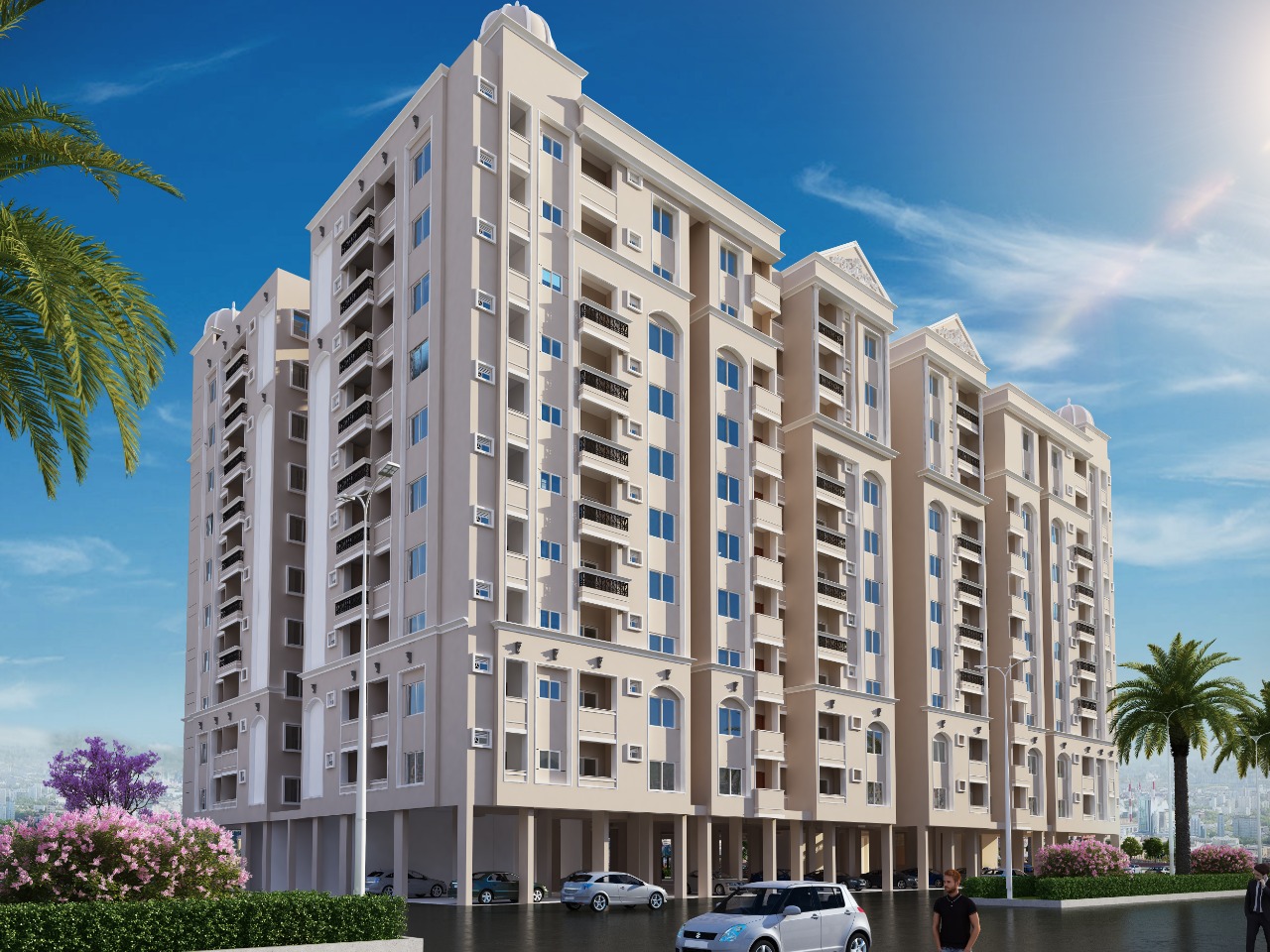

India's real estate growth story is entering a new phase. For decades, cities like Mumbai, Delhi, and Bengaluru dominated investment conversations. Today, however, the momentum is clearly shifting toward high-growth Tier-2 and emerging cities such as Indore, Surat, Lucknow, Jaipur, and Coimbatore.
For builders and developers, this shift presents a once-in-a-decade opportunity. Lower land costs, strong end-user demand, infrastructure push, and improving urban governance are creating fertile ground for expansion. But market entry into a new emerging city is not just about buying land and launching a project — it requires research, strategic positioning, financial planning, regulatory clarity, and deep local integration.
Why Emerging Cities Are the Future of Indian Real Estate
Infrastructure-Led Growth
Government initiatives like the Smart Cities Mission and Pradhan Mantri Awas Yojana have transformed the development narrative of Tier-2 cities, accelerating:
- Road widening and ring road connectivity
- Public transport upgrades
- Water and sanitation infrastructure
- Digital governance systems
- Affordable housing supply
When infrastructure improves, property demand follows — builders entering early benefit from capital appreciation before markets peak.
Reverse Migration & Hybrid Work Culture
Post-pandemic work flexibility has empowered professionals to relocate from congested metros to cleaner, affordable cities. This has increased demand for mid-segment apartments, gated plotted communities, affordable villas, and commercial office spaces in smaller cities. Cities like Indore have emerged as lifestyle-friendly urban hubs offering lower living costs and strong connectivity.
Lower Land Acquisition Costs
One of the biggest advantages for builders is the significantly lower land cost compared to metros — in cities like Surat or Lucknow, land prices are 40–70% lower than prime metro markets. Lower acquisition cost directly improves:
- Project-level ROI
- Pricing flexibility
- Faster sales velocity
- Reduced financial risk
Step-by-Step Guide for Builders Entering a New Emerging City
Deep Market Research & Feasibility Study
Before entering any emerging city, conduct a thorough feasibility study including population growth trends, industrial base strength, employment hubs, infrastructure pipeline, absorption rate, average ticket size, and price-per-sq-ft growth over the last 5 years.
Identify High-Potential Micro-Markets
Not every location performs equally. Builders must identify growth corridors such as ring road belts, highway-facing land parcels, industrial zones, IT corridors, and educational hubs.
Regulatory & RERA Compliance
Every state has its own RERA framework. Builders must register projects under state RERA, verify land title and zoning, obtain environmental clearances, check FSI/height regulations, and review local municipal norms.
Decide the Right Product Mix
Emerging cities are largely end-user driven markets, so product strategy should align accordingly:
Plotted Developments
- High demand
- Lower construction risk
- Faster capital rotation
Affordable & Mid-Segment
- 2BHK/compact 3BHK dominate
- Budget-friendly pricing
- High absorption in Tier-2
Mixed-Use
- Residential + retail
- Commercial + co-working
Financial Planning & Capital Structure
Break investment into distinct cost buckets:
In emerging cities, builders can aim for 18–30% project ROI, faster absorption cycles, and lower holding cost.
Build Local Partnerships
Successful expansion requires strong local integration — collaborate with local landowners (Joint Development Agreements), channel partners, real estate brokers, local contractors, and marketing agencies.
Smart Pricing Strategy
Emerging city buyers are price-sensitive but aspirational. Recommended approach: competitive launch pricing, a phase-wise appreciation model, attractive payment plans, pre-launch offers, and channel partner incentives.
Marketing Strategy for Builders in Emerging Cities
Digital-First Branding
- SEO-driven landing pages
- Google search ads targeting property investment
- Meta ads targeting investors
- WhatsApp automation
- Local influencer collaborations
SEO Keywords to Rank For
Consistent content marketing builds credibility and organic lead generation.
Risk Management Strategy
Entering a new city carries risk. Builders must proactively mitigate:
Demand Risk
Launch in phases; study pre-launch response before scaling.
Regulatory Risk
Work with experienced local compliance consultants.
Execution Risk
Partner with reputed contractors.
Market Competition Risk
Enter early before oversupply begins.
Case Study: Why Indore Is a Model Emerging Market
Indore has become a benchmark for Tier-2 city growth due to repeated clean-city recognition, a strong industrial base (Pithampur belt), IT expansion on Super Corridor, infrastructure upgrades, and affordable ticket sizes.
Builders who entered 5–7 years ago have seen strong appreciation and high absorption rates.
Emerging Cities to Watch in 2026
These cities are witnessing strong infrastructure-led growth and increasing investor attention.
Long-Term Expansion Strategy for Builders
- Asset-light models
- Joint development agreements
- Phased launches
- Strong brand positioning
- Digital marketing dominance
- Data-driven decision making
The future of Indian real estate growth lies in strategic expansion beyond metros.
Enter Early, Build Smart, Scale Fast
The Indian real estate market is decentralizing. Emerging cities are no longer secondary markets — they are the next primary growth engines.
Builders who conduct thorough research, identify high-growth corridors, align product with local demand, price strategically, leverage digital marketing, and build strong local partnerships will dominate Tier-2 markets in 2026 and beyond.